
Locksmith Career Outlook (2026): Salary, Skills, and Long-Term Opportunity
What to expect if you’re considering a career in the locksmith trade.

1. Is Locksmithing a Good Career in 2026?
As the skilled trades enter a period of significant demographic shift, locksmithing presents a unique opportunity for new entrants. Industry data indicates a "Silver Tsunami" is affecting the sector, with the median age of locksmiths hovering around 47 and approximately 70% of the workforce aged 40 or older. As older technicians retire, a shortage of qualified labor is creating a vacuum that stabilizes job security for incoming professionals.
Despite the rise of smart locks and keyless entry, the trade has not been made obsolete by automation; rather, it has evolved. Security remains an essential service. Whether for residential emergencies, automotive loss situations, or commercial compliance, the need for physical intervention ensures that the trade remains resilient. Increasingly, modern field operations are powered by advanced locksmith business software that simplifies dispatch, inventory, and billing on the road. For an in-depth breakdown of FSM options, read our definitive locksmith software buyer's guide.
Economic Context
For a deeper dive into the economics of the industry—specifically how automated kiosks and large-scale dispatch platforms are reshaping local discoverability—read our full 2026 Industry Analysis.
2. What Does a Locksmith Actually Do?
The modern locksmith is a hybrid of a mechanical technician and a security integrator. The daily workflow is rarely limited to picking locks.
- Residential:Involves rekeying existing hardware, installing deadbolts, and increasingly, retrofitting traditional doors with smart locks and keypad systems.
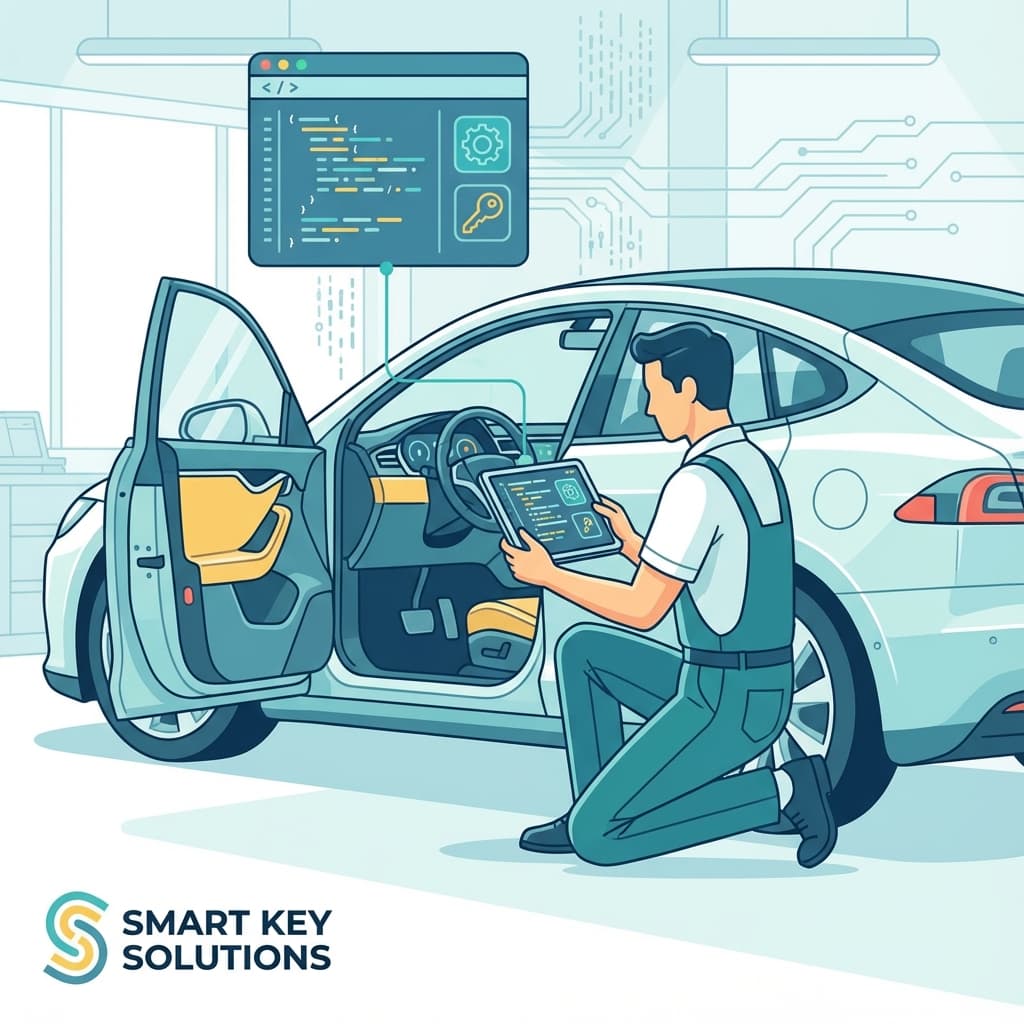
- Automotive:This is the fastest-growing technical segment. It involves programming transponder keys, cutting laser-cut "high-security" keys, and accessing vehicle onboard computers via OBD ports to sync new fobs.
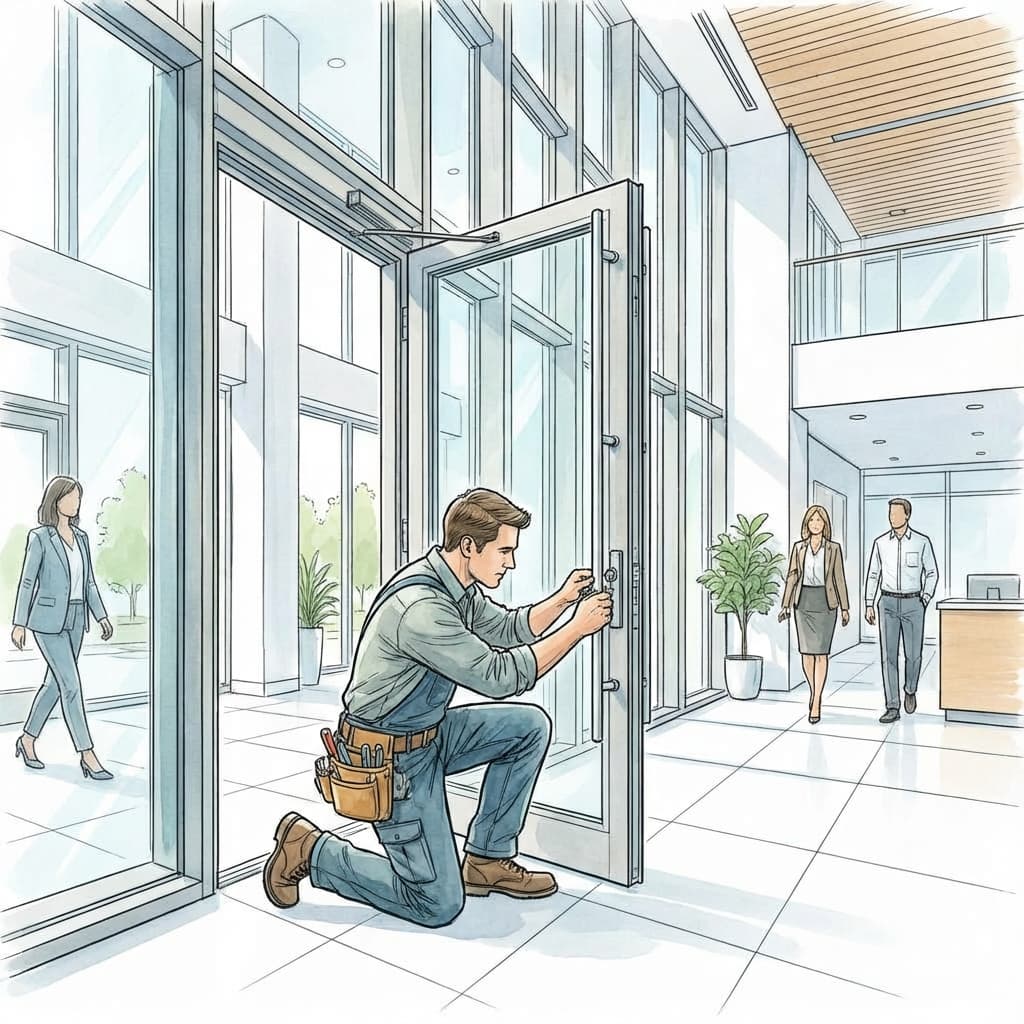
- Commercial:Focuses on code compliance (fire regulations), master key systems for office buildings, panic bars, and door closers.
- Access Control:The installation and maintenance of electronic strikes, maglocks, and card readers, often requiring low-voltage electrical skills.
3. How Much Do Locksmiths Make?
Income in this trade varies significantly based on employment status (W2 employee vs. business owner), specialization, and geography.
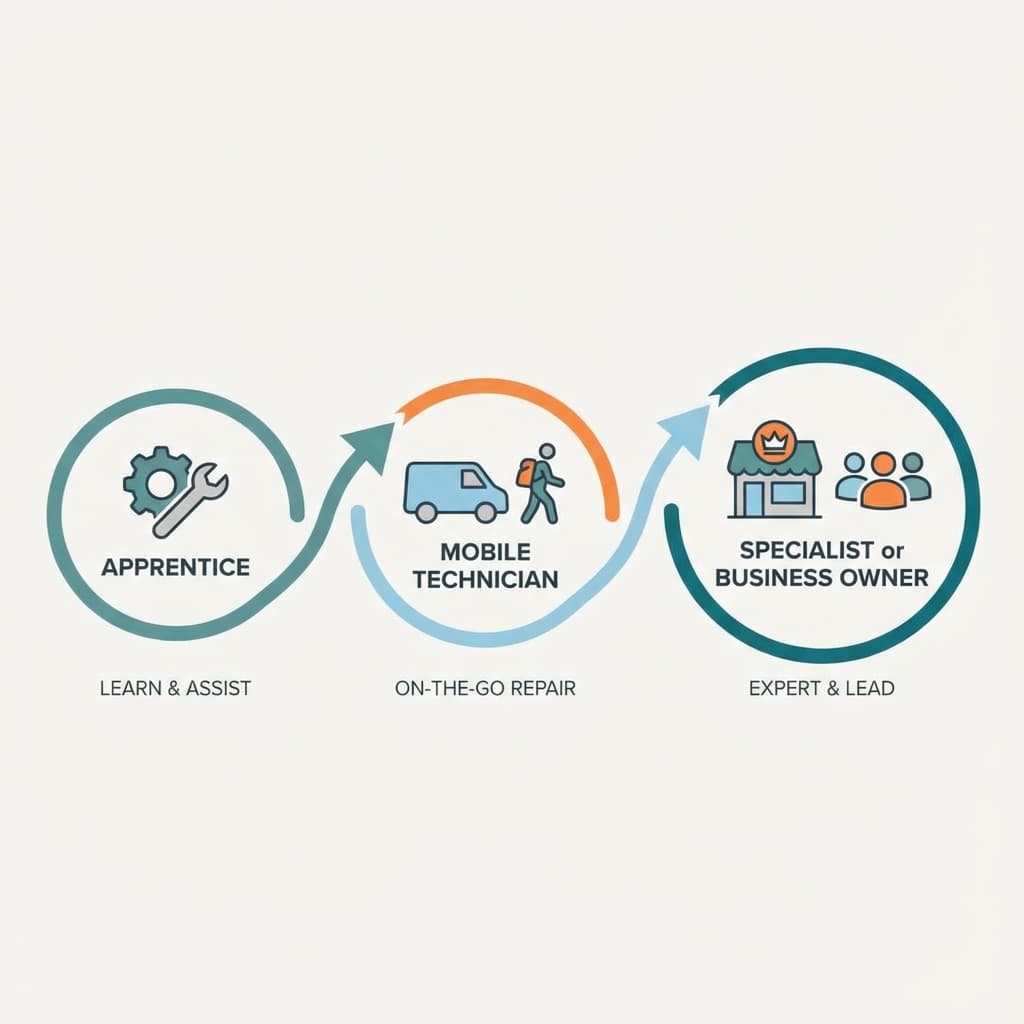
Entry-Level
$30k - $45k
Apprentices acquire core skills under supervision.
Journeyman
$50k - $80k
Mobile techs with 3-5 years exp, proficient in auto.
Owner-Operator
$90k - $150k+
Net income after overhead for established businesses.
4. Training & Licensing Requirements
Locksmithing is not a federally regulated trade in the United States, leading to a patchwork of requirements that varies by state.
- State Licensing
As of 2026, approximately 13 to 15 states require a specific locksmith license to operate (including CA, TX, IL, NJ, and NC). Requirements typically include passing a criminal background check, submitting fingerprints, and occasionally passing a competency exam.
- Apprenticeships
Formal schooling is less common than on-the-job training. Most careers begin with an apprenticeship under an experienced locksmith, lasting 6 to 24 months.
- Certifications
Voluntary certifications from organizations like the Associated Locksmiths of America (ALOA) can validate specialized skills—such as GSA safe technician or master keying—and justify higher billable rates.
5. Tools of the Modern Locksmith
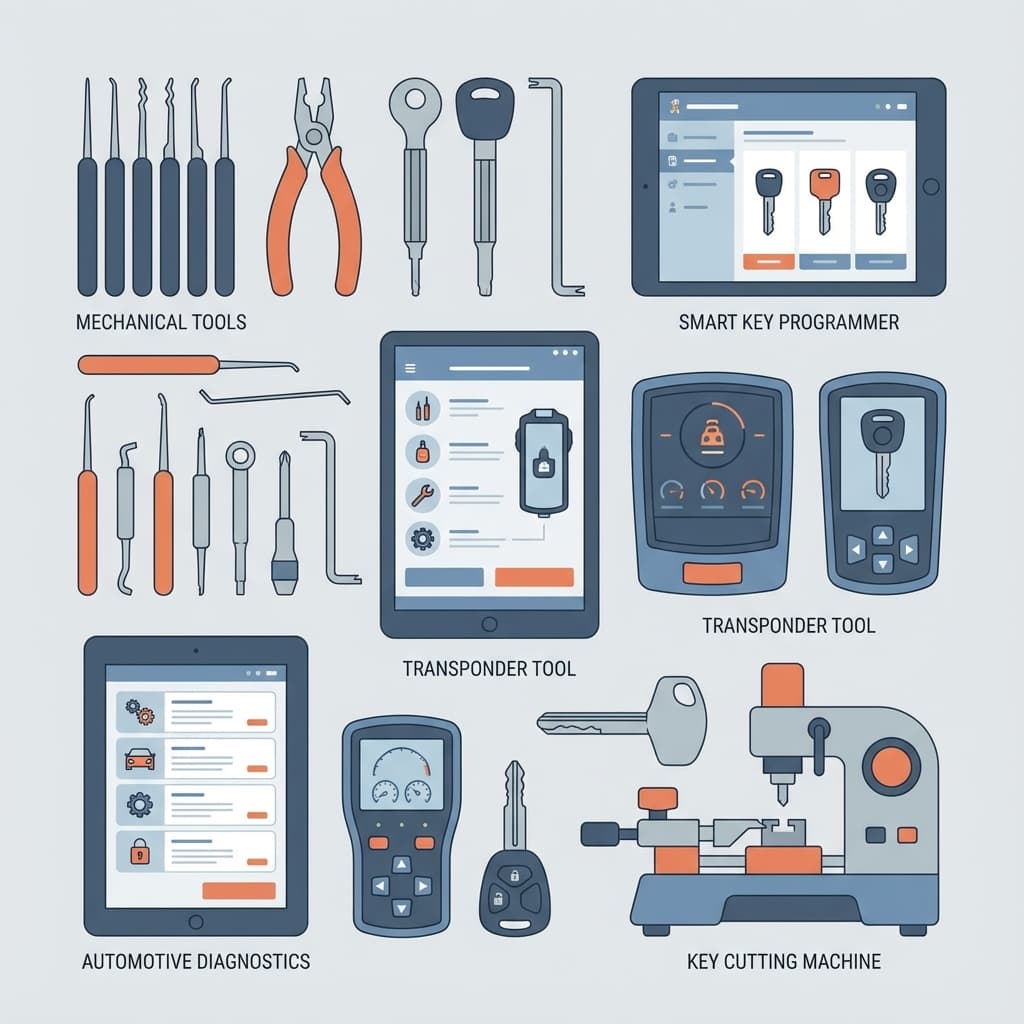
The toolkit of 2026 looks significantly different from that of 1996. While mechanical skills remain foundational, technology acts as a force multiplier.
Mechanical Hardware
- Key extractors & plug spinners
- Precision drills & carbide bits
- Universal installation jigs
- Lishi tools / high-security decoders
6. Career Paths
The trade offers distinct vertical mobility for those who specialize.
Solo Mobile Locksmith
Common entry point for entrepreneurs. Low overhead, but income capped by physical hours.
Commercial Specialist
Contract work for hospitals and schools. Predictable hours and higher margins.
Safe & Vault Technician
Niche specialization requiring precision drilling. Low competition and high pay.
Institutional Locksmith
Stable salaries and benefits working for universities, gov entities, or corporations.
7. Risks & Realities
Operational Demands
Emergency calls mean nights and weekends. Physical toll on the body (heavy doors/awkward positions) is significant.
Market Pressure
Competition with venture-backed aggregators is high. Reputation and reviews are your most valuable assets.
Liability & Risk
Damage to vehicle computers or incorrect security installs can lead to high claims. Insurance/bonding is mandatory.
Burnout
Solo operators often struggle to balance dispatching, inventory, and field fulfillment simultaneously.
8. The Future of the Trade
Looking toward 2030, the locksmith industry is pivoting toward integration. The adoption of the Matter smart home protocol means locksmiths must understand how locks interact with Wi-Fi networks and home automation ecosystems.
"Demand is shifting from mechanical key duplication (increasingly handled by kiosks) to complex installation and integration services that machines cannot perform. The future locksmith is essentially a specialized security IT technician who can still use a drill."
9. Closing
The locksmith trade offers a stable, recession-resistant career path for those willing to master a blend of mechanical dexterity and digital fluency. It is not a passive income stream, nor is it a desk job. However, if you value independence, problem-solving, and providing a tangible local service, locksmithing remains a viable and resilient career in the modern economy.
Reviewed under the Unlokt Research & Editorial Standards.
Related Reading
How National Platforms Are Reshaping Local Locksmith Businesses
Explore how key kiosks, dispatch networks, software platforms, and changing search economics are reshaping the future of local locksmith businesses.
Locksmith Dispatch Playbook
A complete operations guide on managing response times, zoning routing, and scheduling emergency calls.