
The "Lockout" Predicament
It’s 10:00 PM. You are locked out of your house. You Google "locksmith near me" and click the top result.
- The Promise:"$19 Service Call."
- The Reality:A bill for $450, a broken lock, and a technician who demands cash.
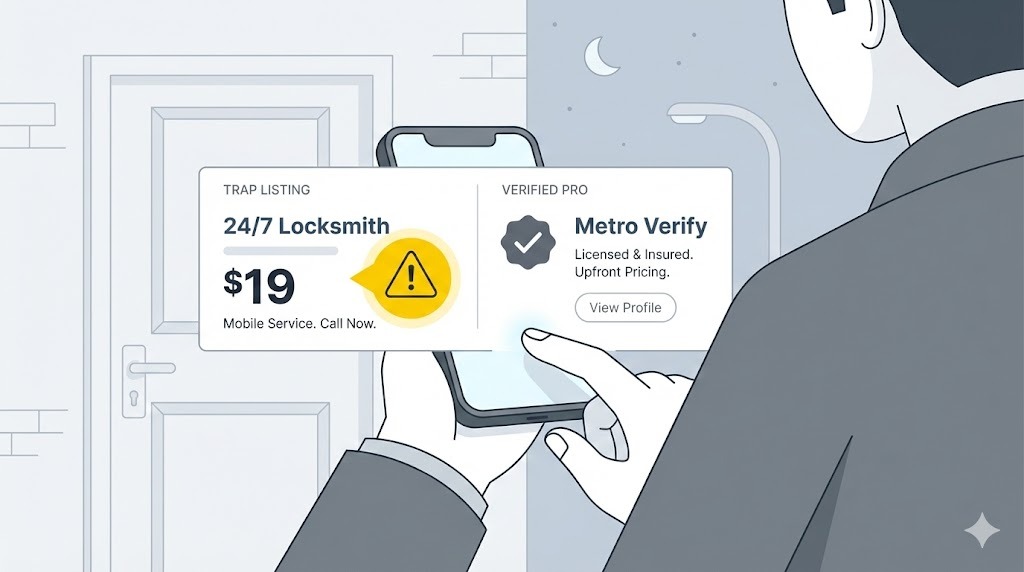
Fig 1. Beware of "lowball" price traps on search results.
This isn't just bad luck; it is an organized "Lead Gen" racket that has plagued the industry for a decade. But in 2026, the tide is turning. Before you call a technician, protect yourself by checking their details in the Unlokt Trust complaints directory.
The CBS Mornings Investigation: A Wake-Up Call
In a viral investigation, CBS Mornings exposed the "Bait and Switch" tactic used by thousands of fake locksmith listings.
Watch the Pattern:
1. Lowball Quote
"$29 to get to you." No professional can operate a service vehicle for $29. See real locksmith pricing.
2. The "High Security" Lie
Every lock is suddenly "complex" once they arrive to justify the price hike.
3. The Drill
They don't have the skills to pick a lock, so they drill it to sell you a replacement at a 300% markup.
Google Fights Back: The Lawsuit
For years, fake listings flooded Google Maps, pushing legitimate local businesses to page 2.The Update (2026): Google filed a landmark lawsuit against major "Lead Gen" networks responsible for creating 10,000+ fake business profiles.
"We are taking legal action against the bad actors who are creating these fake business profiles... to protect small businesses and consumers."
— Halimah DeLaine Prado, Google General Counsel
While thousands of listings were purged, "Black Hat" operators still slip through advanced verification. You must be your own line of defense.
4 Steps to "Scam-Proof" Your Emergency
The "Generic Greeting" Test
When you call, listen carefully. If they answer with "Locksmith Service" or "Security," it's a call center. A pro will answer with their company name (e.g., "Bob's Locks").
The "Vehicle Audit"
Red flag: Unmarked sedan or magnetic signs.
Green flag: Permanently branded van with license numbers stenciled on the metal.
The "Drill" Warning
If a technician walks up and instantly reaches for a drill without trying to pick the lock first, stop them. A real locksmith can pick 95% of residential locks.
Check the ID
Ask for a State Locksmith License or ALOA card. Pros carry these with pride.
Why Unlokt Cares
"We don’t sell keys. We build software for real locksmiths — not lead-gen scammers."
Real locksmiths use Unlokt to send digital invoices with clear, itemized prices before the job starts, and to track inventory so they don't run out of parts mid-job.
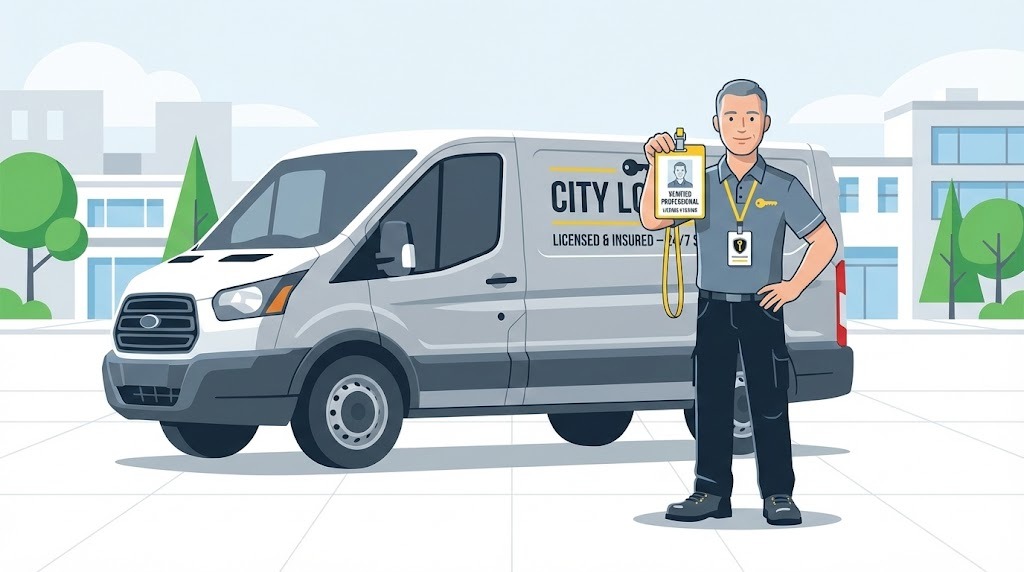
Fig 2. Legitimate locksmiths operate clearly branded vehicles and carry professional ID.
Reviewed under the Unlokt Research & Editorial Standards.
Check or Report a Locksmith
Before booking, search the Unlokt Trust directory to check for complaints. If you experienced misleading pricing or fell victim to a locksmith scam, you can report the locksmith incident to help others.